
Insetting or Offsetting: What’s the choice?

While we frequently read about carbon offsets, carbon insets are less commonly known. Carbon offsets, as we understand, are tradable “rights” or certificates linked to activities that reduce the amount of carbon dioxide (CO2) in the atmosphere. By purchasing these certificates, an individual or organisation can support projects that address climate change instead of decreasing their own carbon emissions.

Carbon insets are pretty similar to carbon offsets, with one significant difference – here, a company reduces or removes carbon emissions within its own value chain, rather than offsetting them through unrelated external projects.

Some examples of carbon insetting are:
L’Oréal collaborates with shea butter suppliers in Burkina Faso to restore local ecosystems and enhance agricultural practices — directly lowering emissions in its sourcing regions.

Ben & Jerry’s collaborates with dairy farmers in its supply chain to implement regenerative farming practices that reduce methane emissions from cows and sequester carbon in soil.

Insetting is often seen in industries such as coffee, cocoa, dairy, fashion, and cosmetics, where natural resources and farming play a central role.

While carbon offsetting is often associated with the risk of greenwashing, carbon insetting offers a good opportunity to reduce scope 3 emissions. Insetting, being part of a company’s value chain linked to producing countries, makes it easier to align with a country’s NDCs (Nationally Determined Contributions). Insetting encourages companies to focus on areas such as regenerative agriculture, renewable energy, and ecosystem restoration.

There is a need to shift from offsetting to insetting to promote a more integrated climate action. Carbon offsets will still be relevant for residual emissions.
The Case for Urban Forests

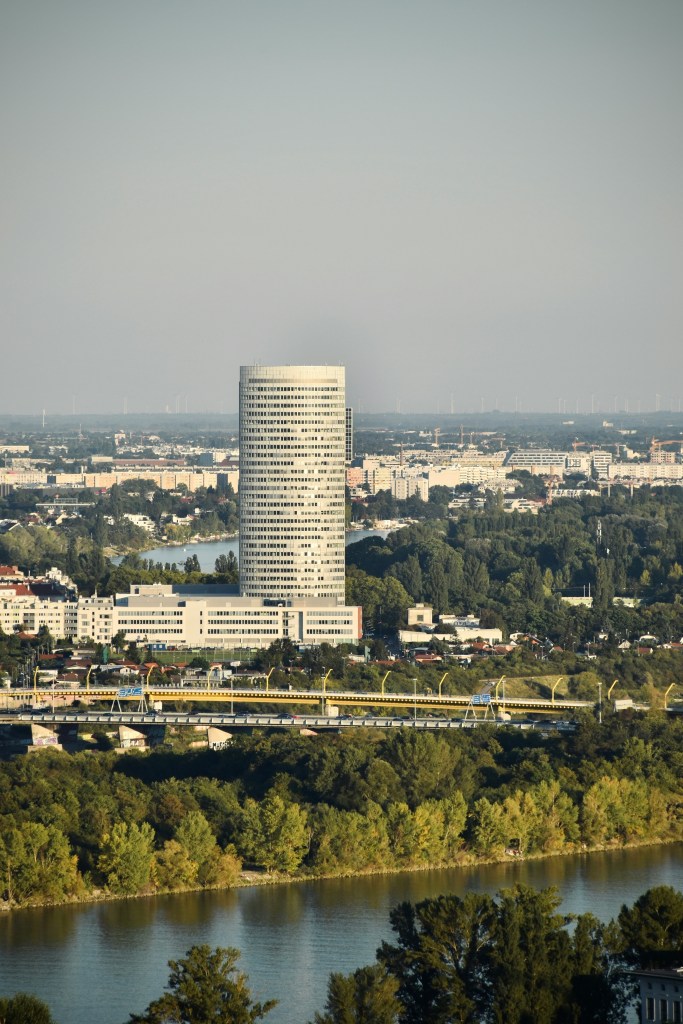
Once upon a time, we lived an agrarian life and were surrounded by nature. Gradually, our lives turned urban, and now we are surrounded by concrete. Plants and trees that are critical lungs for human well-being have almost disappeared. This has brought forward the need to bring nature to the cities to make urban living sustainable.

Photo by Arno Senoner on Unsplash

Urban forests are a cost-efficient, scalable, nature-based solution that can make urban living sustainable. They also help in climate change adaptation and mitigation. What are urban forests? According to Wikipedia, “An urban forest is a forest, or a collection of trees, that grow within a city, town or a suburb. In a wider sense, it may include any kind of woody plant vegetation growing in and around human settlements.”

Some of the key benefits of urban forests are:

a. Trees act as a breath of fresh air in the urban landscape. Strategically planted trees can create pockets of oxygen-rich haven in the midst of concrete. Trees are nature’s air purifiers, filtering pollution and releasing clean oxygen.

b. Urban forests also act as a means of carbon sequestration. Trees are the most natural mechanism for carbon sequestration and help reduce GHG emissions in cities.

c. Trees can help improve cities’ biodiversity and act as wildlife habitats. They attract many kinds of birds and animals and can help protect many species.

d. By reducing temperature within cities, they act as a natural mechanism for energy-efficient cooling.

e. A visit to urban forests can help improve its citizens’ physical and mental well-being.

While many cities worldwide boast urban forests, every city should have one. With the increasing population of cities, a greater area of urban forest is needed to provide fresh and clean air.

Why decarbonising so tough?

Everyone agrees that decarbonisation is essential. The IMF estimates that global decarbonisation would have a net value of $85 trillion. The IPCC reports have consistently pointed to the pernicious effects of greenhouse gases (or carbon, in common parlance) and that we have probably missed the bus in achieving the goals that we set out in Paris. Despite the criticality of decarbonisation, the results are not particularly encouraging. So, why is decarbonising so tough?

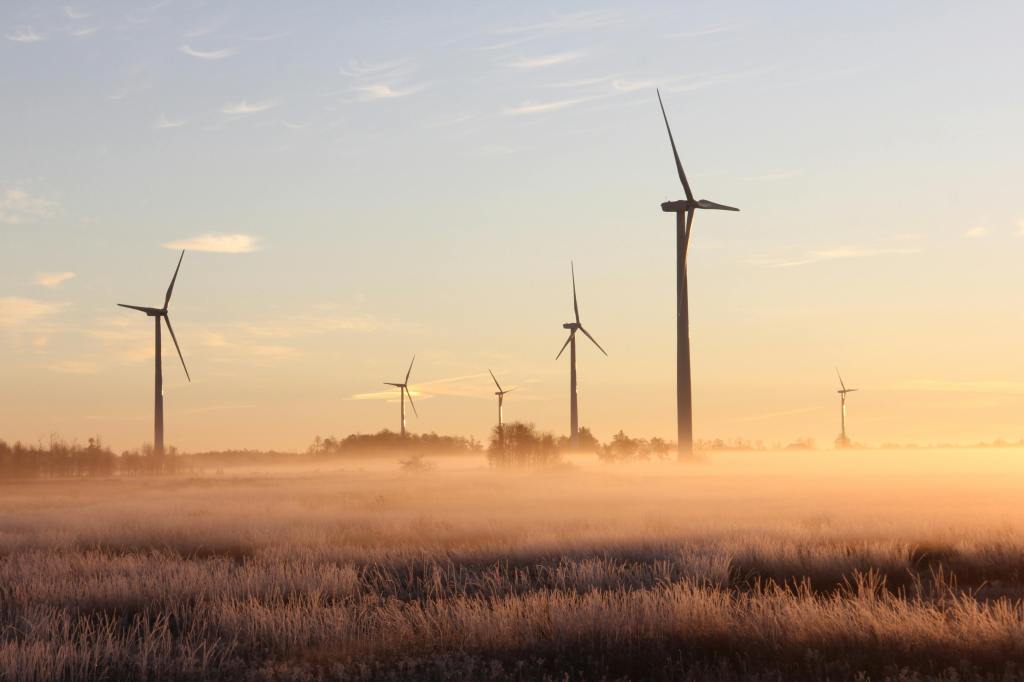
Photo by Laura Penwell: https://www.pexels.com/photo/photo-of-windmills-during-dawn-3608056/

Incentives for decarbonisation: Companies bear the cost of decarbonisation – improving energy efficiency, new equipment, and payment of carbon price/tax. The benefits accrue to the local communities and often to whole regions and may often be cross-country. So, why should businesses pay when they do not benefit?  Companies do it for several reasons – the belief that they can earn higher profits due to distinctiveness, moral reasons, due to peer pressure, or simply because they want to “look good.” Except for the first reason (higher profitability), there is a conflict between private profit and social profit, with private profit winning in most situations. The high cost involved acts as a barrier. A recent Morgan Stanley report suggests that the biggest barrier to establishing a sustainability strategy is the high levels of investment required. This is the same reason developing countries find implementing net-zero strategies difficult. Similarly, MSME companies also face difficulties.

Renewable energy adoption is complex. Renewables are the best substitutes for fossil fuels, which currently have a well-developed infrastructure and network. There exists a vast network of powerlines that connect to power stations. Or, there is a petrol/diesel station network where one can refill fuel conveniently. In the case of renewables, this network has to be established. Establishing the network requires time and effort. It is also costly.

Technological changes: Another issue is that no one knows which technology will survive in the long run. Whether electric vehicles will survive or hydrogen cars will rule the roost. This makes capital investment difficult. Unlike in the past, technologies are changing dramatically and rapidly. An investment today may become a burden tomorrow. Capital investments may be laid to waste in no time. In such an environment, the risk-averse will avoid or delay investment.

These challenges are difficult and will not go away easily. The fossil fuel industry has developed since the 1800s, and the renewable energy industry is rather nascent. While we don’t have too much time, we will still need to wait for the industry to develop. At the same time, global leaders will need to find a way to ensure that the developing and developed nations agree on the way forward. Similarly, large and small businesses must negotiate how decarbonisation efforts can progress. A constant sustained effort is the key to success.

Biodiversity Is Not Just Planting Trees

The recent IPL tournament saw BCCI team up with Tata Group to plant 500 trees for every dot ball bowled during the 2024 playoffs and finals. While they do not talk of this as a biodiversity venture, there are many companies that talk of their work on biodiversity, but if you read their sustainability reports of companies, the only action they appear to be taking is planting trees.  While planting trees is great for increasing the tree cover in our country, the impact on biodiversity is questionable. The recent IPL will lead to 161,500 saplings being planted and will positively impact India’s tree cover.

#ESG #sustainability #netzero #biodiversity #ecology
Photo by Olena Bohovyk on Unsplash

Human growth has come at the expense of fauna and flora. As humans needed more space, they cut down forests and chased away wild animals, destroying the ecological cycle. Many plant and animal species have become extinct in the process.  Is the process of ecological destruction irreversible? Definitely not! With careful effort, we can reverse many of the side effects of human growth. Building back diversity involves increasing tree cover and bringing back fauna and flora that thrive in our jungles. Many species that are close to extinction need to be regenerated. Planting trees is a small part of the whole process – a beginning but not the end. While some argue that trees will automatically attract fauna and flora, the impact will be slow and ineffective.

In this context, the 2030 Agenda for Sustainable Development’s Sustainable Development Goal 15 is devoted to “protecting, restoring and promoting sustainable use of terrestrial ecosystems, sustainably managing forests, combating desertification, and halting and reversing land degradation and biodiversity loss.”

I live in Bangalore and see some interesting efforts to protect and improve the country’s biodiversity. Take the case of the biodiversity park developed by Toyota Kirloskar Motors. Called Ecozone, it is spread across 25 acres within TKM premises. There are 17 theme parks that are designed to create a sense of ecological consciousness among children and various stakeholders. Then you have the efforts of Wipro Foundation, whose Earthian programme promotes sustainability and biodiversity education in schools. They started the butterfly park in 2013 in Bangalore. While not a corporate IIMB’s campus has paid close attention to biodiversity. Its campus boasts of some 20,000 trees and more than 200 species of plants, including horticultural trees and flowering plants. Similarly, another institution that I work with,  IIM Raipur has set up a biodiversity park.

I’m not saying planting trees is not required. It is required, but more needs to be done to protect and enhance our biodiversity.